
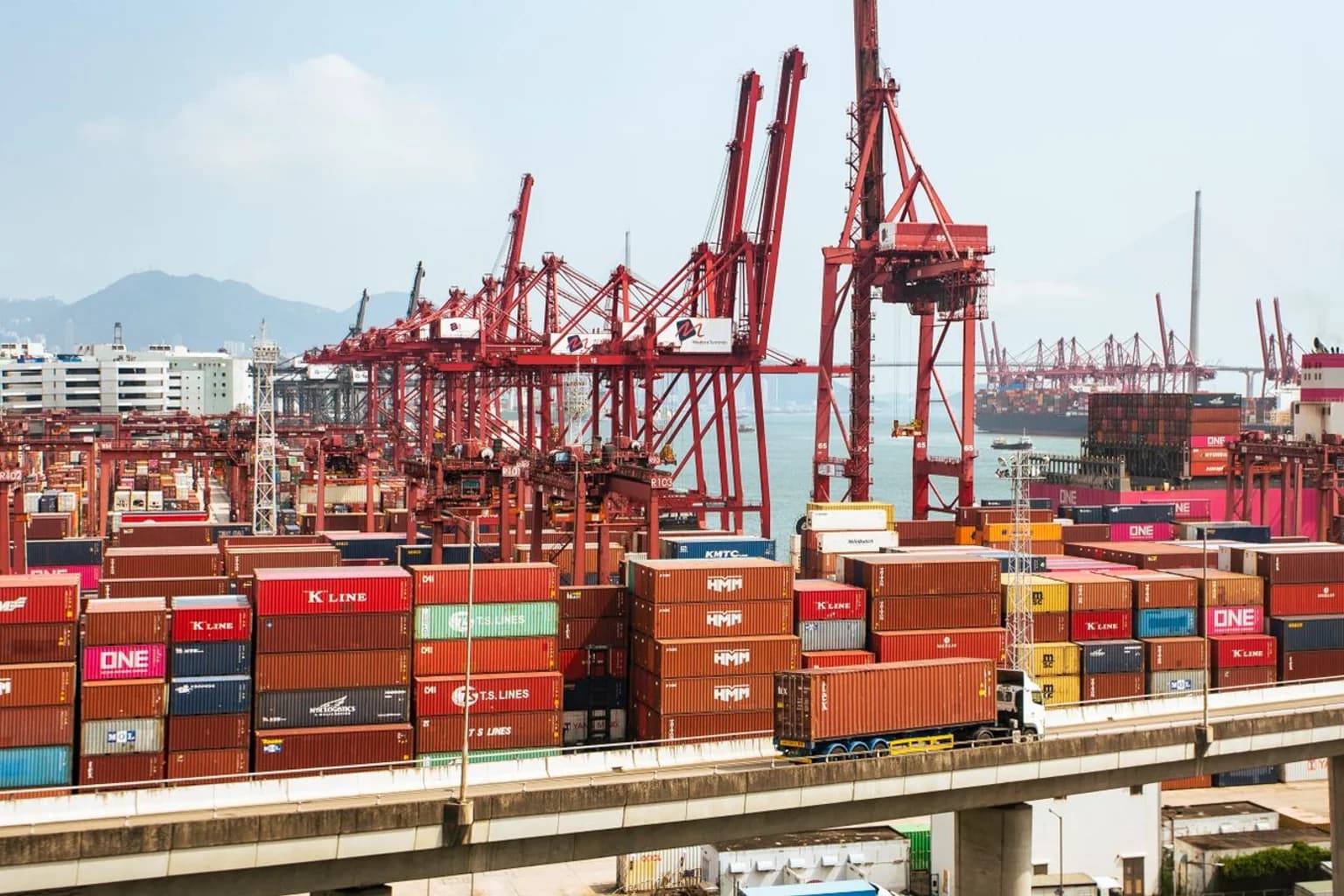
International agricultural trade connects a product at its source with a buyer in another market. A workable shipment starts with a shared understanding of the product, the destination and the responsibilities of each partner. The preparation is as important as the movement of the goods.
Supplier selection
Begin with the supplier's ability to provide the product you need. Discuss the production or sourcing arrangements, availability, communication and supporting records. Ask how changes in volume or timing will be handled. A useful assessment considers whether the supplier can meet agreed requirements consistently, alongside price.
Product specifications
Write down what the buyer expects before confirming an order. The specification can describe the product, condition, pack format, quantity and intended use. Samples and photographs can help a discussion, but the written agreement should make clear what is being supplied and how differences will be addressed.
Documentation
Documents connect the commercial agreement with the physical shipment. For imports into the EU, the European Commission identifies customs declarations and supporting documents such as invoices and transport records, with additional documents depending on the goods. Prepare the applicable records for the particular product and route, rather than copying another shipment's checklist.
European Commission: Guide for import of goodsCustoms
Customs is the border stage where the goods and their declarations are considered under the destination's procedures. Establish who coordinates that work and who answers questions about the shipment. Confirm the product classification, current requirements and responsibilities with the relevant authority or customs representative before dispatch.
Packaging
Agree on packaging for the journey as well as the eventual sale. Consider how packs will be stacked, handled, identified and received. The importer should confirm the destination's applicable labelling and packaging requirements. A product suitable for a bulk buyer may need different presentation before it can enter retail distribution.
Logistics
Plan the route from the collection point to the final receiving location. Record the collection window, handovers, agreed handling conditions and delivery contacts. Discuss how delays or changes will be communicated. Product preparation, documents and transport should be ready together so that one unfinished task does not hold up the rest.
Destination regulations
Requirements depend on the product, its origin and the receiving market. The Commission's Access2Markets guide explains how EU importers can check duties, product requirements and formalities. Use it for the EU context, and consult the destination's official authorities for other markets; a general article cannot establish clearance for a particular shipment.
European Commission: Guide for import of goodsBring these seven areas into one conversation before placing an order. A clear product specification, named responsibilities and a confirmed destination make it easier for growers, suppliers, logistics partners and buyers to work toward the same result.