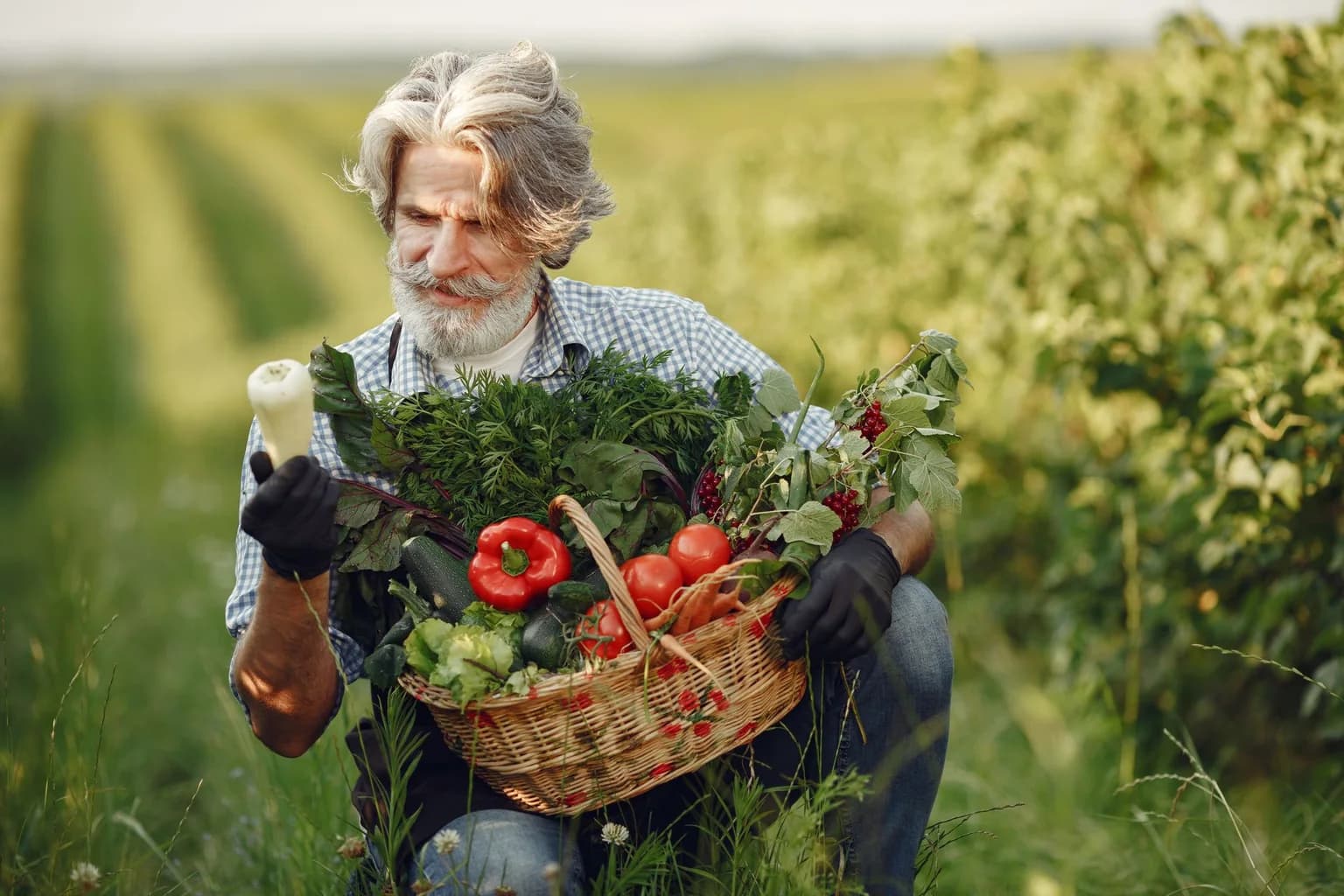
Before a product reaches a warehouse or shop, someone has prepared the land, tended the crop and organised the harvest. Farmers and agricultural workers make that work possible. A sustainable food system needs to recognise their experience and the practical conditions in which they produce food.
Knowledge rooted in a place
Farmers learn through seasons, observation and work with their communities. FAO highlights family farming's contribution to agricultural biodiversity, local food traditions and the management of natural resources. That perspective places people and their knowledge alongside the physical product when discussing the future of food.
FAO: UN Decade of Family FarmingA buyer can start by listening. Ask about the crops suited to the farm, the harvest calendar and the decisions that shape availability. A product requirement becomes more useful when it is discussed with the people who must meet it, rather than sent as an isolated list of demands.
Production is also a livelihood
A purchasing agreement reaches beyond the goods on a delivery note. It also affects planning for labour, materials and the next growing cycle. Clear discussions about quantities, payment arrangements and changes give both parties a better basis for decisions. These details belong in the relationship from the beginning.
For example, a buyer exploring a seasonal crop can discuss a realistic order window and how forecasts will be updated. The conversation should distinguish an estimate from a confirmed commitment. This approach respects uncertainty while helping the producer and buyer understand what they can plan around.
Resources need practical care
Soil, water and crop choices are part of everyday farm management. An informed sourcing discussion asks what practices are used and what improvements are feasible in that setting. A solution suited to one farm may not suit another. Listen to the reasons behind a practice before applying a broad sustainability label.
Communities carry farming forward
FAO's family-farming action plan includes support for young people, women's participation, farmers' organisations and knowledge-sharing. It recognises that agriculture's future involves the wider community, not only the individual grower. Access to learning and participation can be part of the conversation about long-term agricultural relationships.
FAO: UN Decade of Family FarmingBuild relationships around the work
A responsible buyer should be able to explain what is required and listen when a farmer identifies a constraint. Maintain a clear contact point, discuss problems early and review the arrangement after a season. Treating farmers as partners in that discussion gives the supply chain a more informed foundation.
Sustainability becomes more concrete when the people responsible for production are heard. The next time you review an agricultural product, consider the grower's work, the surrounding community and the relationship that connects them with the market.